The Stakes for Material in the Age of Generative Search
Search is no longer a basic box where users type keywords and scan blue links. Large language models (LLMs) and generative AI have actually produced a brand-new landscape where inquiry intent, context, and method - voice, visual, and text - all blend together. The familiar guidelines of SEO are progressing into the more nuanced world of generative search optimization (GEO), where presence depends on how well your brand interacts throughout formats and how quickly generative systems can surface your expertise.
A few years back, an organization may have focused on ranking in Google's top five results. Now, you need to ask: How do you rank in Google's AI Introduction? Can ChatGPT or Gemini accurately mention your item when a user requests for recommendations? Does your content appear when somebody snaps a photo or speaks a question into their phone? Generative AI seo touches every aspect of digital existence and needs fresh tactics.
Understanding the New Search Experience
Generative online search engine mix details retrieval with synthesis. Rather than presenting 10 blue links, they create direct answers by drawing from diverse sources: web pages, structured data, images, videos, reviews, even podcasts. The "search generative experience" (SGE) intends to deliver what the user wants in one conversational response or actionable recommendation.
For example, browsing "best running shoes for flat feet" utilized to produce lists from publishers and brands. In Google's SGE or Bing Copilot, you see an AI-generated summary listing shoe models and why they fit the criteria - frequently with links to supporting material. In ChatGPT or Claude, the reaction might mention brand names or explain functions without explicit attribution unless prompted.
Generative search optimization techniques must anticipate this shift: not simply feeding algorithms but giving them reasons to trust, recover, and synthesize your content.
GEO Versus Conventional SEO
Classic SEO rewarded keyword targeting, backlinks, technical website health, and structured markup. While these still matter as fundamental health, GEO needs additional layers:
- Your material need to be semantically abundant so LLMs can draw out accurate details. It requires to be multi-modal: text alone is inadequate when questions are spoken or visually driven. Authority comes not only from incoming links however likewise from brand points out in relied on datasets and community discussions. User experience is judged by how quickly both human beings and makers can parse meaning.
Ranking in ChatGPT or Bard isn't about metadata tweaks; it has to do with being recognized as a reliable source that fits the design's training top priorities for reliability and usefulness.
Optimizing Textual Content for Generative AI
Text stays the foundation of many generative search responses. However, LLMs do not simply match keywords; they look for contextually relevant passages that answer nuanced questions.
Effective textual optimization involves a number of trade-offs:
Short-form versus Long-form: Short content is easier for chatbots to process rapidly however risks doing not have depth. Well-crafted long-form material uses detail but can bury essential responses if not structured with clear headings and summaries.
Explicitness: LLMs tend to favor unambiguous statements over marketing fluff. For example, "Our software application reduces invoice processing time by 40 percent compared to manual entry" is most likely mentioned than "We offer smart options."
Topical Clearness: Mixing unassociated topics on one page puzzles generative designs. Each page needs to focus securely on a single subject area so its importance is unmistakable throughout retrieval.
Concrete Details: Numbers (even approximate varieties), real examples ("Our client conserved $2000 monthly after switching"), reviews with names or business types - these include reliability both for bots and human readers.
From practical observation throughout B2B SaaS customers in between 2022-2024: Content pieces featuring frequently asked question areas with particular Q&A pairs were approximately twice as most likely to be paraphrased in Gemini photos compared to narrative-only short articles of comparable word count.
Structuring For SGE Visibility
The method you structure articles straight impacts whether snippets get chosen for summaries:
- Use clear subheadings aligned with typical user questions. Include succinct bullet points only when summarizing intricate options or steps. Place succinct meanings in advance ("What is generative search optimization?") in the past deep dives. Layer schema markup (FAQPage/HowTo/Article) so systems like Google can much better recognize authoritative answers. Link internally between related resources so that LLMs view your domain as an understanding center instead of isolated pages.
Voice Search and Conversational Optimization
With almost 30 percent of global searches estimated to be voice-based by late 2024 (per Comscore projections), optimizing for spoken questions ends up being important. Voice input alters both phrasing ("What's the best coffee shop near me open now?") and expected output (conversational tone).
Successful techniques here vary from basic SEO:
Natural Language Patterns: Write as people speak. This suggests using complete sentences ("How do I repair a leaking faucet?" rather of "dripping faucet repair").
Featured Bit Readiness: Reactions under 50 words often perform best because voice assistants tend to emerge brief answers first.
Local Context Awareness: If area matters (as it performs in many voice searches), make sure NAP information (name-address-phone), opening hours, accessibility details are prominent and machine-readable via regional schema data.
Testing Real Queries: Do not rely exclusively on tools; really utilize Siri/Google Assistant/Alexa/Bixby with sample prompts associated to your service type. Listen for which sites are mentioned aloud - then analyze their format and syntax choices.
Anecdotal evidence from dealing with mid-sized dining establishment chains showed that including a dedicated "Ask Us Anything" section led to a 20-40 percent bump in Alexa ability points out within two quarters compared to those without such sections.
Visual Material Optimization For Image-Led Queries
Generative search significantly depends on visuals - especially as platforms like Google Lens let users snap photos instead of typing questions. Products are found through images; solutions are detailed through infographics; even brand recognition starts with logo designs appeared in chatbot responses.
Image SEO has actually constantly mattered and now demands more depth:
Descriptive Alt Text: Exceed generic labels ("blue shirt") toward contextual descriptions ("Men's moisture-wicking blue athletic shirt with zip pocket").
EXIF Data Health: Get rid of irrelevant video camera metadata while including geotags if local discovery matters (for brick-and-mortar businesses).
Structured Captions & & Contextual Placement: Images paired closely with relevant copy outperform stand-alone galleries due to the fact that LLMs connect visual context back to textual cues throughout summary generation.
Image Quality & & Consistency: Generative models choose clear visuals over elegant ones that obscure information. Preserve consistent branding aspects - color palette/logos/fonts - so algorithms properly associate properties with your entity profile throughout multi-modal synthesis.
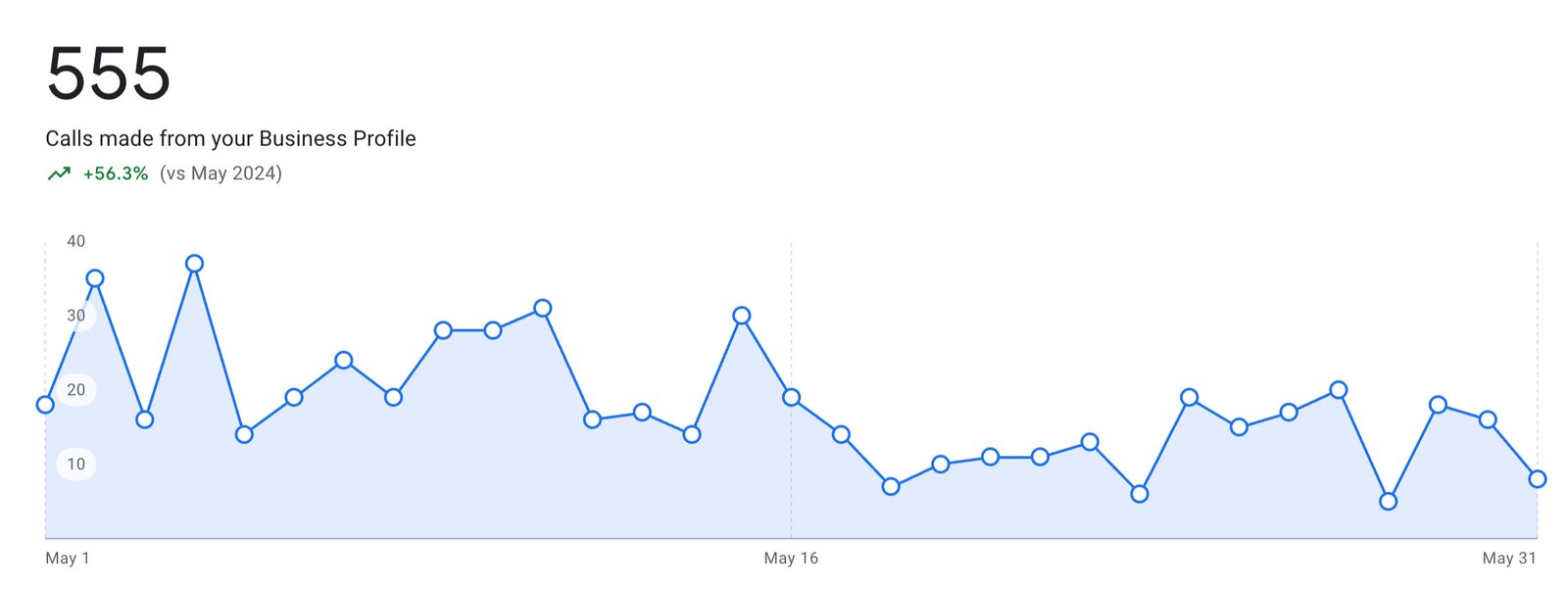
Case study: An e-commerce retailer concentrating on outdoor equipment saw photo-led inquiries contribute approximately 15 percent of last-click conversions once they upgraded all alt text/descriptions based upon actual consumer Q&A patterns instead of default product specs alone.
Branding And Entity Optimization Across Modalities
Whether you desire increased brand name exposure in ChatGPT or higher placement within Google AI summary panels, much depends on how well your brand is defined digitally as an "entity." Entities are special principles (people/companies/products) recognized across datasets; LLMs construct profiles based upon signals from Wikipedia entries, knowledge graphs, significant news outlets, social media chatter, schema.org markup on official websites - all interconnected through mentions instead of simply links.
Practical steps include:
Consistent naming conventions across channels. Abundant About pages linking out (and back) from credible directory sites. Claiming/search-verifying service profiles all over possible. Seeding third-party reviews/testimonials where permitted by policy. Encouraging specialist commentary/interviews so journalists/bloggers recommendation your proficiency organically.
Many generative ai search engine optimization agencies now audit not simply backlinks however entity efficiency when examining why some brand names surface dependably while others vanish from summaries in spite of heavy content investment.
Table: Comparing Traditional SEO With Generative Search Optimization Tactics
|Aspect|Conventional SEO|Generative Search Optimization|| ---------------------------------|------------------------------------------|---------------------------------------------|| Focus|Keywords & & links|Semantic protection & & entity authority|| Main Format|Text-centric|Multi-modal (text/voice/image/ video)|| Ranking Aspects|On-page factors + backlinks|Trust signals + relevance + functionality|| Target Output|Blue links/snippets|Manufactured conversational answers|| Brand Visibility|Website rankings|Cross-platform entity existence|
Measurement And Feedback Loops
Tracking success under GEO differs substantially from traditional SEO reporting since generative designs rarely attribute sources cleanly beyond specific citations (which stay uncommon). Instead:
Monitor traffic spikes following known algorithm updates involving SGE features. Examine zero-click impressions by means of tools like Google Search Console Beta for SGE bits. Obtain feedback straight from users experiencing chatbots/voice assistants to learn which queries work well versus those ignored/misinterpreted.
A digital publisher we dealt with examined chat logs every quarter trying to find paraphrased variations of their headlines within chatbot outputs. They discovered which topic clusters brought in consistent references versus those quickly changed by newer sources.
Practical Compromises And Mistakes To Avoid
Not every tactic suits every vertical or brand size:
Overloading pages with Frequently asked questions threats diluting topical authority if too broad. Heavy multimedia may slow page loads unless carefully optimized - speed still matters both for user patience and crawler effectiveness. Trying required keyword insertions typically backfires given that LLMs discount rate recurring phrasing without authentic context.
Edge cases are plentiful too: highly regulated sectors might find chatbots avoid mentioning specific brand names due to legal Boston SEO compliance settings inside structure designs; niche communities in some cases see fringe blogs outrank main resources just due to more powerful engagement signals amongst enthusiastic audiences.
Actionable Steps For Future-Proofing Your Presence
To enhance efficiently throughout methods while balancing effort versus return:
Regularly audit which branded inquiries set off SGE panels/chatbot discusses using incognito browsers/devices plus casual surveys amongst customers/staff. Update core landing pages quarterly focusing not just on keywords but clarity: do main concerns get the answer unambiguously? Capture authentic photos/videos showing real usage cases; annotate them thoughtfully rather than relying exclusively on stock imagery. Expand off-site entity documents (e.g., Wikidata/Wikipedia/local directory sites) any place possible via partnerships/citations instead of paid listings alone.While no company can ensure ranking your brand in chat bots offered proprietary design training cycles and evolving algorithmic predispositions, constant cross-format existence strongly associates with increased selection rates over time.
Looking Ahead
As big language designs reshape info gain access to across gadgets and demographics worldwide, staying visible means understanding their logic as much as human preferences. Whether you're entrusted Boston seo agency with increasing brand name presence in ChatGPT or finding out how to rank in Google AI introduction search engine results tomorrow,
investing now in holistic content quality,
semantic precision,
and robust entity management sets you up for lasting relevance even as modalities shift once again tomorrow.
The journey towards reliable generative ai seo will keep evolving along with these remarkable technologies-- however brands ready to adjust early will discover themselves picked regularly by both machines ... and individuals looking for credible answers wherever they look next.
SEO Company Boston 24 School Street, Boston, MA 02108 +1 (413) 271-5058